About

Shahriyar Mohammadi
Steve Jobs once saidyou can only connect the dots looking backward.
I wasn’t the kid who always knew what he wanted to be. I just followed what felt interesting, one random project at a time. I tried photography, web design, iOS development, even started a startup out of a class project that somehow grew to tens of thousands of users.
It didn’t make sense back then, but every experiment, every failure, was a dot. Turns out, I was never chasing success. I was chasing curiosity.
That curiosity took me to computer science. I fell in love with algorithms, then programming, then product. It felt like a new language for creativity, one where logic and design could coexist.
Over time I became fascinated by how people interact with technology, and how subtle choices in design shape behavior. That is when I fell for behavioral design, the space where psychology meets product.
In my final year I turned a simple iOS course project into my first startup, Goody.ba, a gamified loyalty app with digital scratch cards, coins, and prizes. It started as “let’s see if this works” and grew to 60,000 monthly users and 100+ business partners. Eventually, I sold it to a Swiss agency.
That was my crash course in building, launching, and scaling (and selling). And in learning that small experiments turn into something much bigger when you stay curious long enough.
Impact
These days the work is less about the screens I make and more about the decisions I help a company make. Strategy. Principles. The bar. Then the systems that keep it there.
At Deel I lead mobile design as a staff product designer, for a platform that pays 1.5M+ workers in 150+ countries. I inherited an app that was the web product shrunk to a phone. So I wrote the strategy and principles for going native, took them to the company all hands, and now run the design reviews that hold 50 teams to one bar. When reviews couldn’t show me what had actually shipped, I teamed up with our QA engineers on Atlas: an AI tool that maps every screen in the app in one place.
At Bumble I spent three years helping build the ads and partnerships business, inside an app 100M+ people trust with something personal. Native formats like Sponsored Opening Moves and Sponsored Profiles, the ads guidelines that kept them honest, and brand moments with Adidas, Paramount and Barbie. It beat its annual revenue targets, growing every quarter, without turning the app into a billboard.
Smaller bets paid off too. A Spotlight redesign lifted conversions and repeat purchases. A rethink of promotions meant fewer people left the app the moment one appeared. And a cancellation flow that made leaving easier, because trust is a retention strategy.
The pattern I keep noticing: the most useful thing I make is rarely a screen. It’s the principle, the review, or the tool that lets fifty other people make better ones (and yes, I still open the occasional PR myself).
Design philosophy
Good design should feel simple. Not because it is simple on the surface, but because someone wrestled with the chaos behind it.
I don’t design for novelty. I design for impact. The kind of changes that quietly improve someone’s day and push the business forward.
People describe me as structured. Principled. To me, I am just passionate about beautiful products.
A great idea can come from anyone, at any time. PMs, researchers, engineers, leadership: I see myself as a connector, someone who helps the team turn those sparks into better decisions together.
Human first
Technology should amplify people, not replace them. I design with the belief that trust, safety, and empathy matter more than novelty. AI can make us faster, but it is useless if people do not feel understood or in control.
Simplicity
The best design feels effortless. It removes noise, reduces choices, and makes the path forward obvious. If someone has to stop and think about how to use it, it is not simple enough.
Transparency
Growth is an outcome of a great product, not the strategy itself. So I aim for honesty in how value is communicated. People should always know what they are getting and why it matters.
Collaboration
Great ideas can come from anyone. A designer’s job is not just to design screens, but to create an environment where engineers, PMs, researchers, and leaders feel heard and want to contribute.
End to end
Real design does not end at launch. It starts after. You need to understand how it performs, what outcomes it drives, and whether it needs to be iterated, scaled, or scrapped.
Mentoring
“The meaning of life is to find your gift. The purpose of life is to give it away.”
Being Iranian usually means your parents want you to become a doctor. Mine were the same. I even got into medical school. But I knew that wasn’t my path, so I chose computer science instead. True mentors help you find your path. They don’t push you down one.
I never had a mentor growing up, so I made a lot of mistakes and figured most of it out the hard way. Those years taught me how much guidance can change a person’s path, and how powerful it is when someone simply believes in you.
That is why I mentor. I have worked one-on-one with 100+ designers and engineers over the past five years, helping them sharpen their craft and grow their confidence. Mentorship isn’t just giving back, it is how I refine my own thinking and stay close to what matters: people.
Beyond design
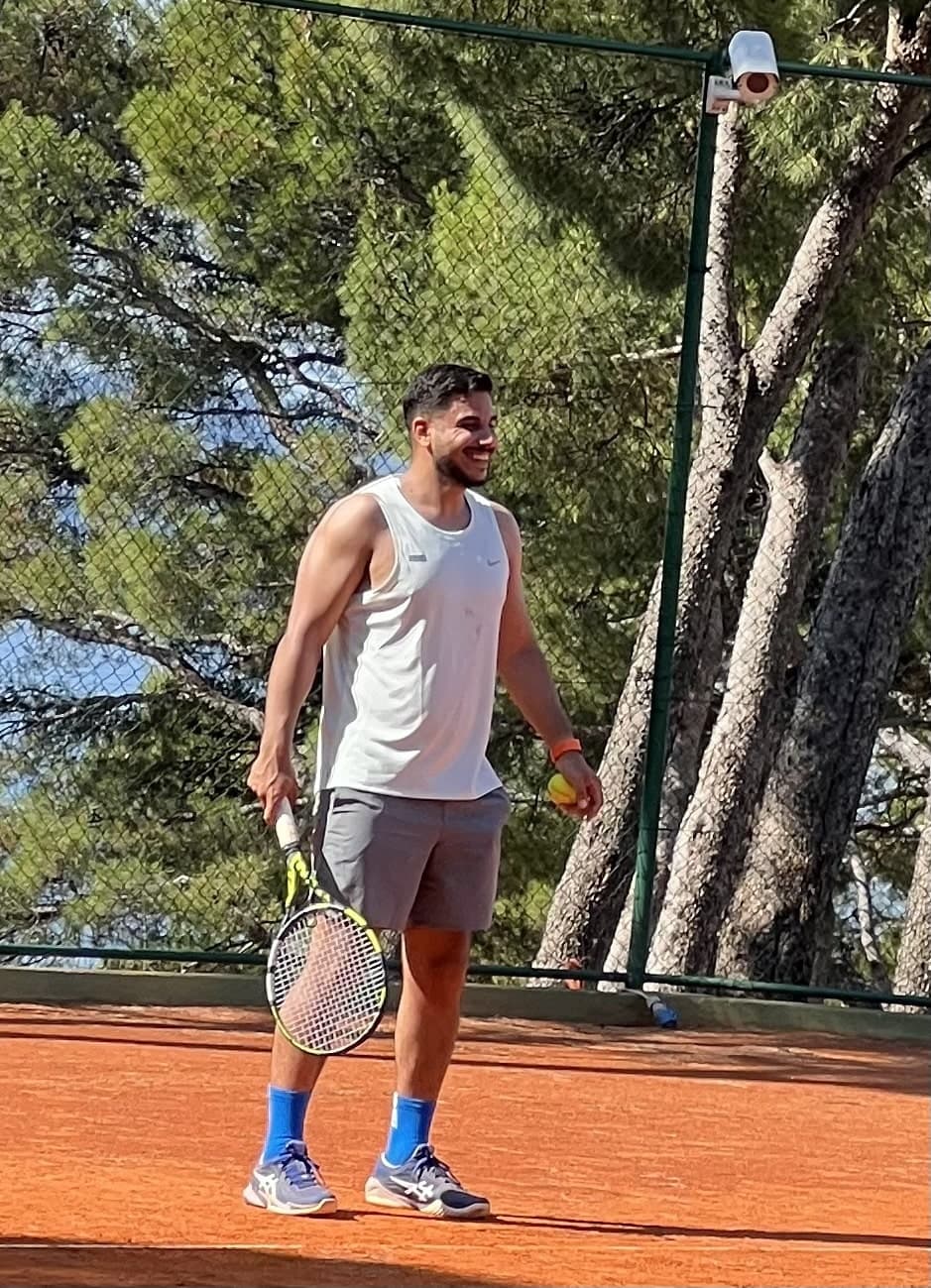
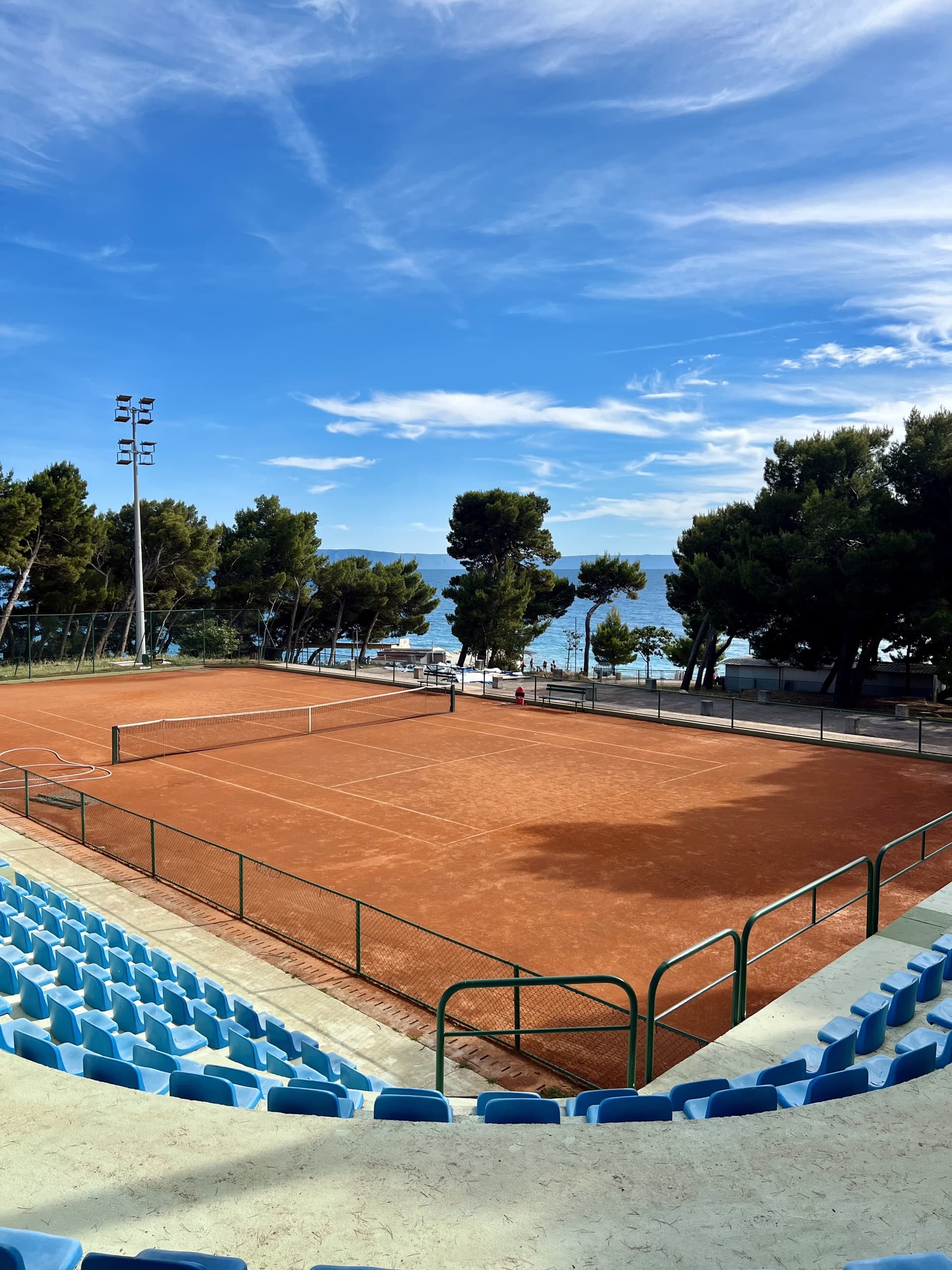
Outside of design I chase the same feeling of flow and focus. The rhythm of a tennis rally. The strategy of padel. The freedom of snowboarding.
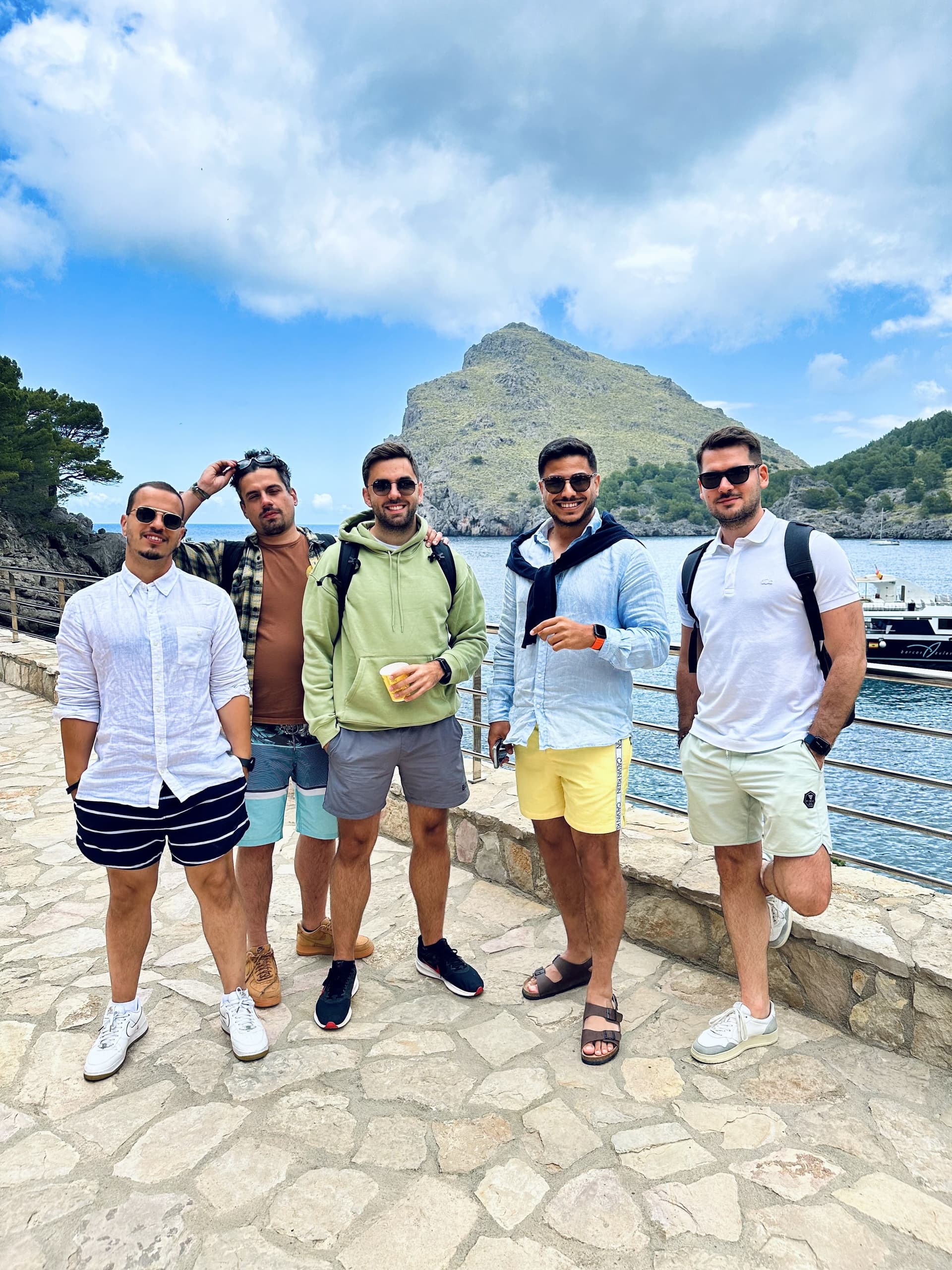
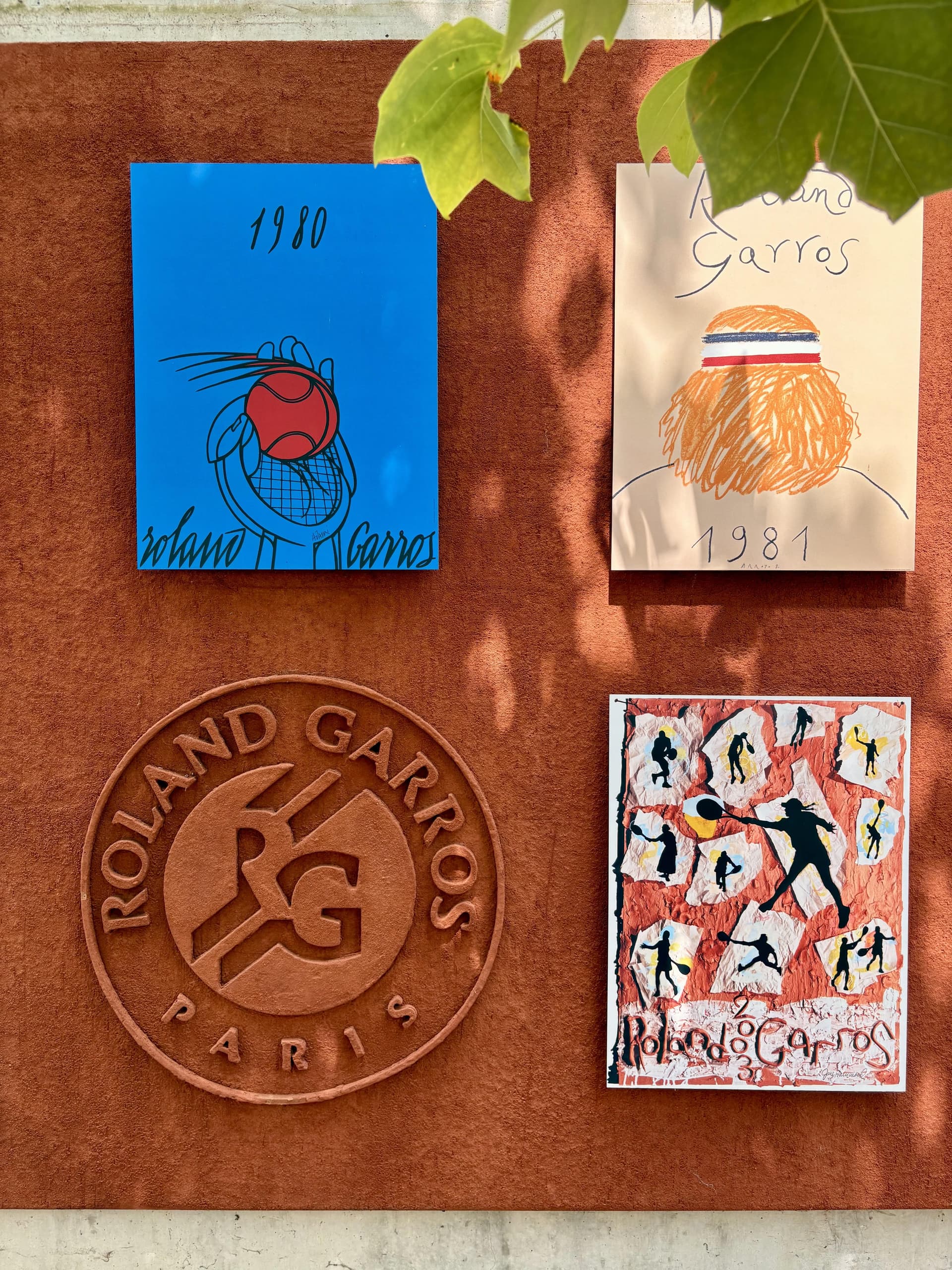
I love finding new restaurants, pairing the right glass of wine with good food, or spending a quiet Sunday in an art museum. I enjoy spontaneous plans, like a short flight to Paris or drifting through the Croatian islands.
And of course, the drama of an El Clásico. Hala Madrid
Press Esc to return home. W for selected work, G for garden, B for writing, R for resources, S for work with me.